Four Things About Minimum Viable Products | MVP
Done is better than perfect.
4 things I’ve learned about Minimum Viable Products (MVPs).
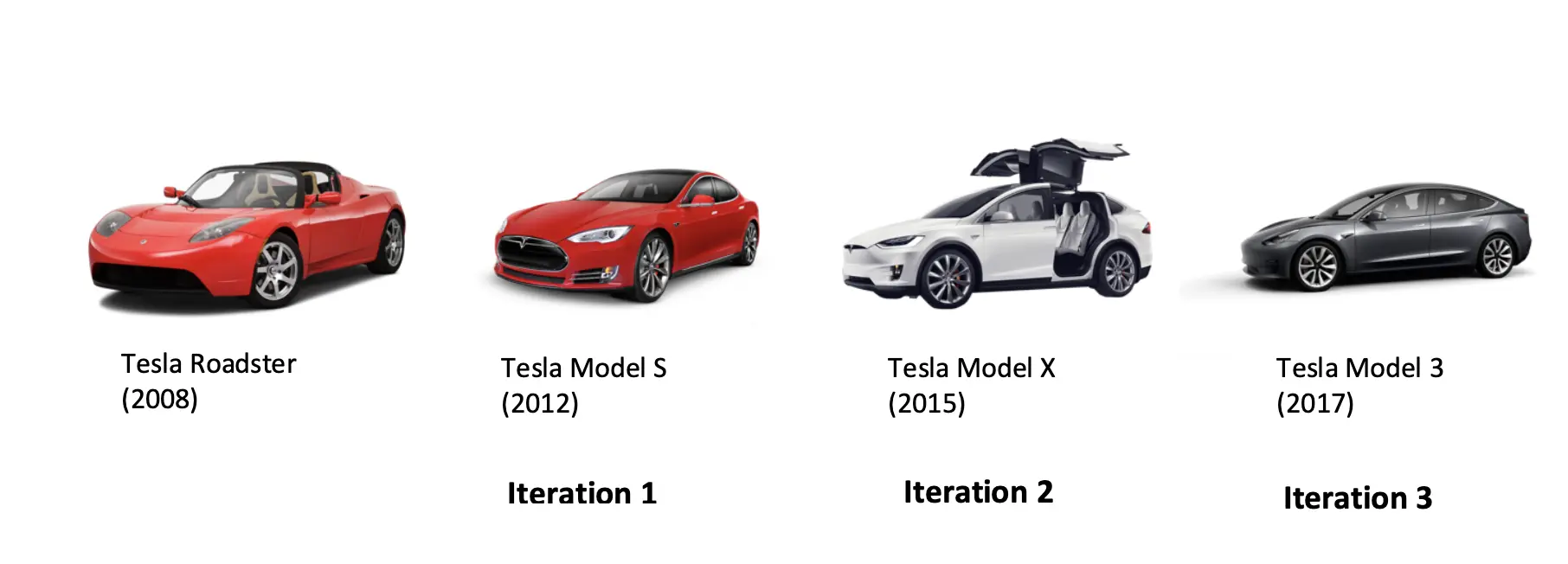
Tesla, Uber, Dropbox – Everyone has heard of these three successful companies. All three started as Minimum Viable Products and achieved enormous success very quickly.
But what exactly is a Minimum Viable Product?
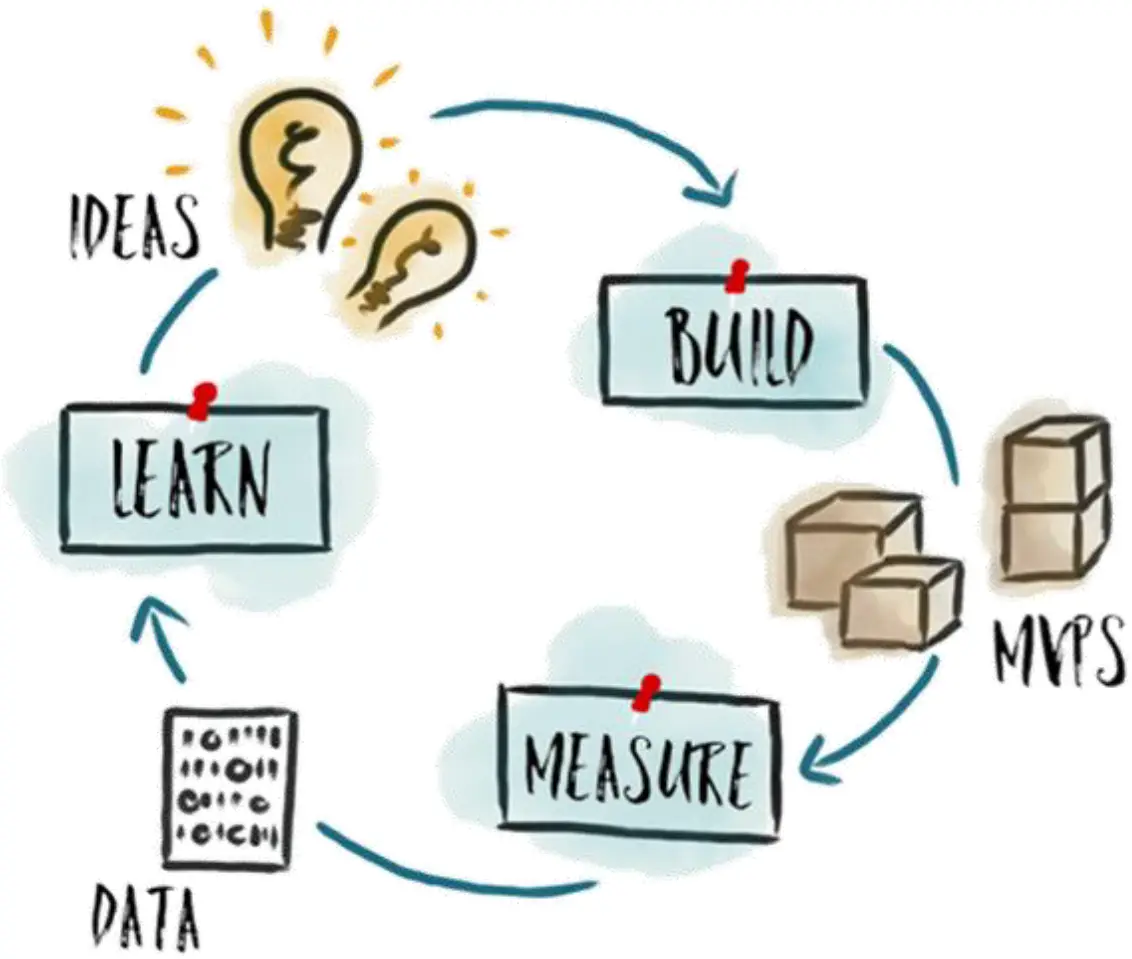
The term Minimum Viable Product comes from Silicon Valley. The principle is simple: A Minimum Viable Product is a product that has just enough functionality to test it on the market. It only has the most important core features. The product can thus be quickly and cost-effectively adapted to customer needs. The goal of releasing an MVP is to get actionable feedback from early adopters that can be helpful in the future development of the product. The feedback is then used to further develop the product in many short iterations. It is fundamentally important that the interests and wishes of stakeholders are continuously considered.
Eric Ries defines it in his book “The Lean Startup” as follows:
“The version of a new product that allows the founding team to gain the maximum amount of validated learning about customers with the least effort.”
1. Step-by-Step to the Big Picture
Often concepts are thought through in detail for months without validating the needs of the target group. Especially in software engineering, it is particularly important to be able to react quickly and flexibly to changes and thus keep costs as low as possible. Certain requirements defined today and scheduled to go live in 4 months are often long outdated by then. Agile project management is therefore indispensable here. An MVP is not about mapping as many features as possible, but about providing the user with a specific added value. Through early feedback from early adopters, the MVP can be adjusted – step by step – ever closer to specific customer needs in each sprint. The most important thing is that you have learned something at the end of a process and interpret the information gained correctly. In summary: Many small successes lead to the big picture!
2. What distinguishes an MVP from a prototype?
Once you have started developing a product, you should decide whether you want to build a prototype or an MVP. An MVP, unlike a prototype, is placed on the market. It would make sense to do both. However, young companies often have limited resources, so they have to choose one of the two methods.
A prototype essentially has no functionality. It merely shows what the product looks like and how it works. The main advantage of the MVP is that you can continuously gather feedback. A prototype is more cost-effective, but I would always prefer a product with minimum viability. An MVP validates the business idea in a much clearer way. Furthermore, you have a higher chance of success when looking for investors.
3. Misconceptions about MVPs
An MVP is not about creating a product with few features just to meet a certain deadline. The goal is to learn as much as possible about the product, target audience, and business model with as little development effort as possible. An MVP doesn’t have to be aesthetically pleasing, but the core function should work flawlessly.
The philosophy of an MVP is not primarily aimed at making profits. Rather, it’s about understanding how the product must be designed to be successful.
The success of the business idea is measured not only by revenue but also by cost-efficient development.
4. Done is better than perfect
An MVP is more about speed than perfection. You focus on completing a product and having the courage to share it, rather than getting lost in tiny details. You want to implement your business idea quickly. It’s important that the must-have features are present. If you try to perfect your product version, you reach a point where you can’t progress further, while the competition releases one version after another according to stakeholder requirements.
Perfect is often not profitable. All companies are in business to make money. Delivering a high-quality product that a customer is not willing to pay for is neither profitable nor sustainable. In this case, perfect can simply cost too much to be practical. You may even find through feedback that the “perfect” you originally aimed for was wrong anyway.
“So I should launch an imperfect product?” Yes! An MVP should be a good product, not a perfect one. Is there even such a thing as a perfect product?