
Management 3.0: Are Managers Smarter Than Their Employees?
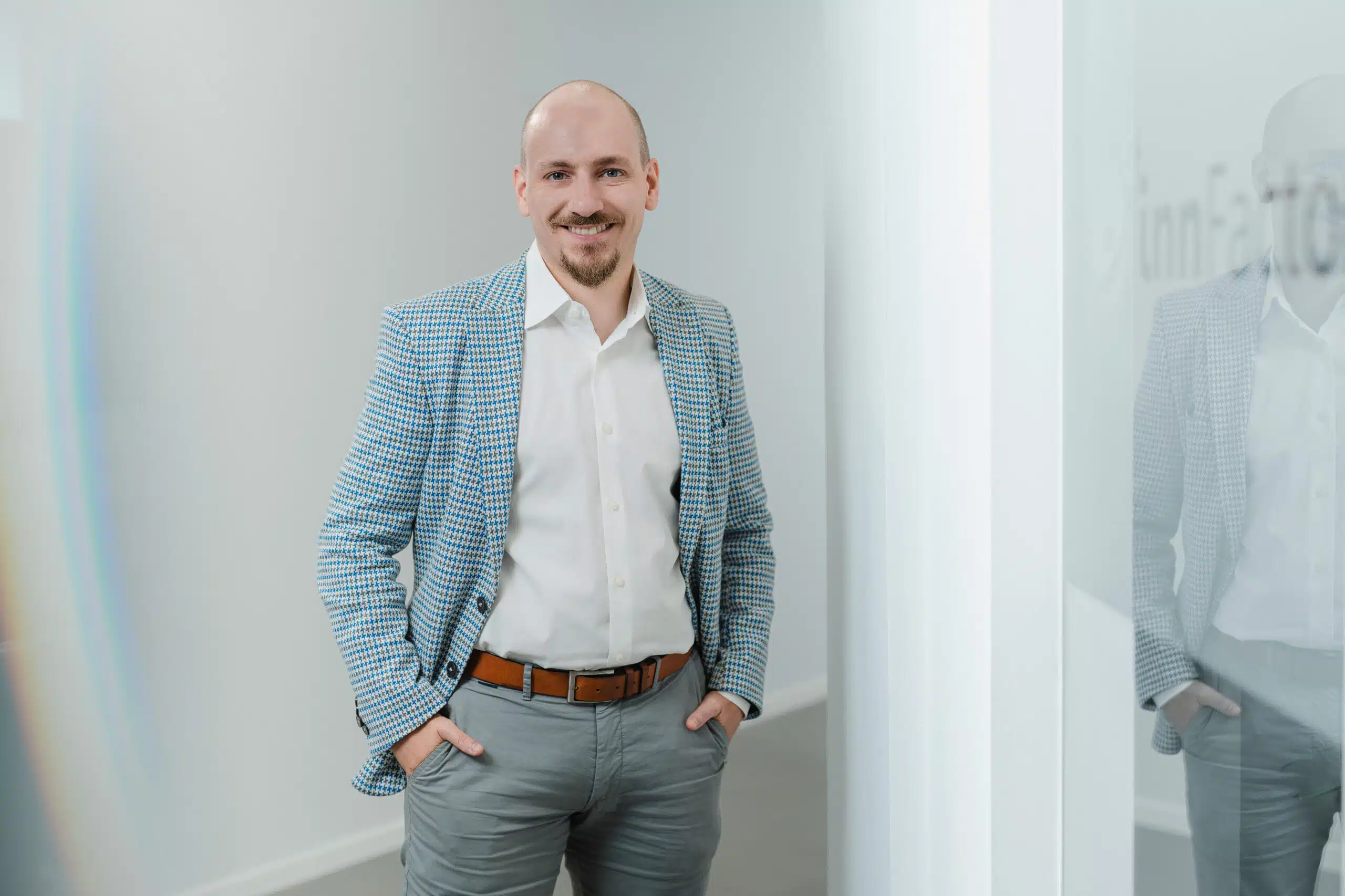 Anton Spöck
3 min read
Anton Spöck
3 min read
We have now been working on our company innFactory for more than a year. During this time, we have met numerous other entrepreneurs, decision-makers, and investors. Many were people who hold countless strings in their hands and are the head of sometimes several thousand employees. After every meeting with such important people and after every longer conversation, you realize they are just humans too. This contradicts the prejudice that one often carries as a young entrepreneur that managers would be omniscient and equipped with a genius that is unparalleled. In fact, you very quickly come to the conclusion that this approach comes from the old founder era. It says that the entrepreneur is an inventor who sets the right sails in every storm and always steers his employees in the right direction. His decisions are absolutely correct and unassailable. Through his experience, he knows even the last corner of the market, and his ideas will secure business growth for the next 100 years.
How do you notice that decision-makers of today often don’t correspond to the approach described above from Management 1.0? You notice it, for example, at Fuckup Nights or when you listen to managers telling stories of overcoming crises. There you recognize that often help from employees, external advice, or even luck were involved in overcoming a difficult situation. After a typical “fuckup” comes the next attempt, with more experience and a new approach. We also had to make this experience with “croGoDeal” and retail.
This new way of thinking, that managers, founders, and other entrepreneurs also make mistakes and must continue learning throughout their lives, is currently scratching the old image of the entrepreneur in Germany, as the founders of Sennheiser or Tchibo once were. In the time of globalization, which brings an enormous increase in complexity and an insanely fast pace of product life cycles, managers are no longer able to survive alone in the market. That’s why it’s important not to view managers as the smartest people in the company anymore, but to grant employees their competence sovereignty in a piece of the complex construct and leave them elements of management tasks.
A good example that Jurgen Appelo addresses in his book “Managing for Happiness” takes place in a hospital. A cardiac surgeon doesn’t deal with the complete and infinitely complex system “human,” but only with the heart of the person and its connections. So during a heart operation, he blocks out all other factors and concentrates on his extremely difficult task. After the operation, the nurse takes care of the patient’s recovery and well-being. A very complex task that requires a lot of know-how but also empathy and sensitivity. The hospital management takes care of financial resources and the commissioning of the renovation of the west wing. If you now ask again whether managers or here the hospital management are smarter than the cardiac surgeon or nurse, you immediately realize that the question is moot. Companies and organizations are so complex in their sub-areas that only a self-regulating system can ultimately be controlled. Tasks of company bosses are distributed to many heads in Management 3.0. This requires great trust and strong cohesion. Currently, we at innFactory are making good progress with retrospectives and classic team-building events and will continue to use other elements of Management 3.0.